What is VALORANT Champions Shanghai and why does it decide the 2026 world champion?
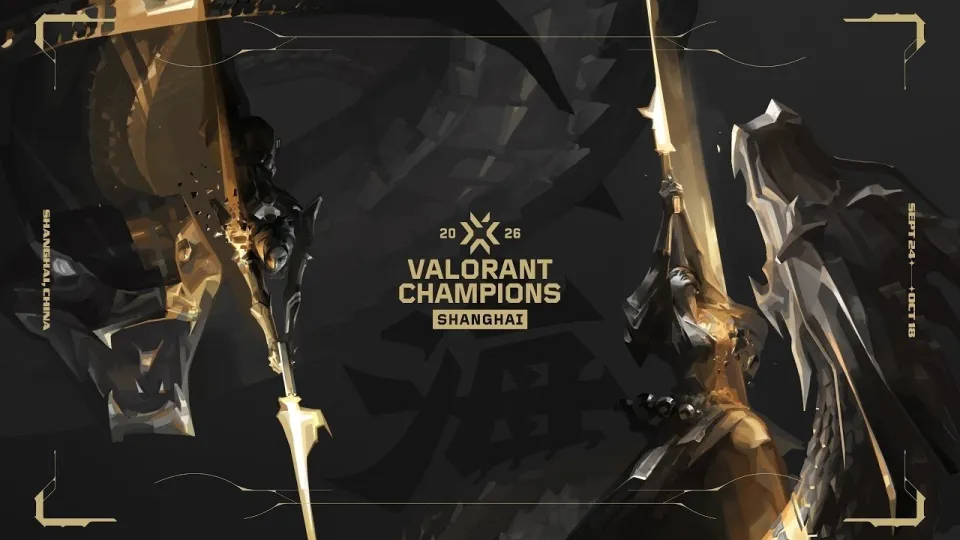
Video: VALORANT Champions Shanghai — Playoffs Stage — Day 16
Need articles like this for your video? They help promote it on YouTube and Google — order them in the Telegram bot @sat_sit_bot. Articles with your video embedded are written and posted by the bot itself — on popular topical sites (no ads). Try it free: 50 articles on us.
· based on the channel VALORANT Champions Tour
Key takeaways
- VALORANT Champions Shanghai runs from September 24 to October 18, 2026, in Shanghai, China.
- Sixteen teams from Americas, CN, EMEA and Pacific compete for the 2026 world championship trophy.
- Two different champions were crowned at Masters events during the 2026 VCT season before Champions.
- The playoff stage is single-elimination, so one loss ends a team's run at the title.
- LOUD's return to form drew comparisons with the team's 2022 championship era.
VALORANT Champions Shanghai is the final and biggest event of the 2026 VALORANT Champions Tour season, running from September 24 to October 18 in Shanghai, China, where sixteen teams from the Americas, CN, EMEA and Pacific regions compete for the world championship trophy. It is the tournament that settles the year: after two Masters events produced two different champions, Champions is where the season's storylines converge and one roster leaves with the title of 2026 VALORANT World Champion. The official VALORANT Esports X account is where brackets, schedules and results are posted as the playoffs unfold.
The event's own framing is blunt about what is at stake: every era eventually meets its challenger. In 2026 the VCT saw the beginning of that shift, with new contenders emerging, expectations broken, and a fearless generation of challengers arriving alongside familiar names. Shanghai, a city where history and the future sit side by side, hosts the conclusion.
How does the VALORANT Champions Shanghai playoff format work?
The playoff stage is where the sixteen-team field narrows to a single champion, and the structure rewards consistency across the group phase while punishing any single bad day in the bracket. The essentials:
- Sixteen teams qualify from four regions — Americas, CN, EMEA and Pacific — giving each region multiple representatives and setting up cross-regional matchups from the first playoff round.
- The playoff bracket is single elimination: lose a series and the run is over, regardless of how strong the group stage was.
- Series are played in the standard best-of-three format in earlier rounds, moving to best-of-five for the decisive matches later in the bracket.
- Map pick-and-ban becomes a major tactical layer in playoffs, because preparation for a specific opponent matters more than raw form.
- The winner is crowned the 2026 VALORANT World Champion — the title that defines a roster's legacy far more than any regular-season result.
Because the bracket is unforgiving, playoff matches tend to be tighter and more tactical than group-stage games. Teams that rely on comfort picks often get punished, and coaching staffs spend the days between series building targeted map pools.
Why the 2026 season feels like a changing of the guard
Two Masters events in 2026 produced two different champions, a rarity that underlines how open the field has become. New contenders have broken expectations repeatedly, and the phrase "a fearless generation of challengers" in the event's own messaging is not marketing fluff — it describes a season in which established giants were pushed hard by younger rosters.
That context matters for Champions. A team arriving in Shanghai with a Masters trophy already in hand carries both confidence and pressure, while a team that peaked late in the season can arrive with momentum and nothing to lose. Historically, the team that wins Champions is rarely the one that dominated the entire year; it is usually the one that solved the patch, the map pool and the meta fastest in the final weeks.
Which storylines are driving the Shanghai playoffs?
Several threads run through the playoff stage, and they explain why viewer interest has stayed high deep into the event.
- LOUD's revival. The Brazilian organization's return to top form has fans talking about 2022, the year LOUD won Champions. A roster playing with that kind of structure and confidence is a genuine title threat.
- Chinese representation. With the event on home soil, the CN region's teams carry the weight of a home crowd. Chants and support for Chinese players have been one of the loudest features of the broadcast.
- Regional pride across four continents. Americas, EMEA, Pacific and CN all have legitimate contenders, which makes the bracket unusually balanced compared with seasons where one region clearly led.
- Rivalry friction. Series between teams with history — including clashes involving G2 and 100T — bring an edge that goes beyond standings, and post-match moments between players get scrutinized as much as the scoreline.
- Roster pressure. For several veteran players, Shanghai is a proving ground: a deep run can reset a career, while an early exit can trigger an offseason rebuild.
What technical and broadcast issues have viewers flagged?
The Champions broadcast is a massive production, and the long playoff days have produced a few talking points among viewers.
Technical pauses have been a recurring theme. One extended pause drew particular attention, and a separate incident involving a player's mouse not responding was widely discussed as fans tried to work out what had gone wrong. Long pauses disrupt momentum for both teams and often shift the rhythm of a series, which is why they become a storyline in their own right.
Spoiler culture is another fixture of Champions broadcasts. Large parts of the audience watch the VOD after the fact rather than live, so fans routinely organize spoiler-free zones in chat and comments, with timestamps shared separately so people can jump to a specific match without seeing results first. If you are watching on demand, the safest approach is to avoid the live chat entirely until you have caught up.
Production quality also draws scrutiny. Mid-match interviews and sideline segments are frequently criticized when hosts seem unfamiliar with the context of a match, and viewers are quick to point out moments where a question misses what a player just said. Music choices during breaks and after big wins get the same treatment — a good walkout track can become part of a tournament's identity.
Where to follow VALORANT Champions Shanghai
The official VALORANT Esports channels carry live broadcasts, schedules, results and behind-the-scenes content throughout the playoffs. The full set of official links:
- X/Twitter: https://x.com/valorantesports
- Facebook: https://www.facebook.com/ValorantEsports/
- Instagram: https://www.instagram.com/valorantesports/
- TikTok: https://www.tiktok.com/@valorantesports
- Twitch: https://www.twitch.tv/valorant
For news articles and announcements, the official VALORANT Esports site at valorantesports.com publishes previews and recaps alongside the broadcast schedule. Event photography is also published through the official Flickr account, which is useful if you want high-resolution images from the Shanghai stage.
How to watch the playoffs without getting spoiled
Watching a Champions playoff run on demand requires a little discipline, because results spread fast across social media.
- Mute or avoid the official accounts and esports news sites until you have watched the series you care about.
- Use the spoiler-free comment threads that fans maintain during the broadcast, which separate timestamps from results.
- Jump straight to the match start rather than scrubbing through the pre-show, which often references earlier results.
- Watch series in bracket order — earlier rounds first — so later matches land with the right context.
What to expect from the final stretch in Shanghai
The playoff stage of VALORANT Champions Shanghai is the point where the 2026 season stops being a story about potential and becomes a story about results. Sixteen teams arrived with a case for the title; the single-elimination bracket will reduce that to one. The combination of a home crowd for CN teams, a revived LOUD, and a field where two Masters champions already exist makes this one of the most unpredictable Champions brackets in recent memory.
For schedules, bracket updates and announcements, follow the official VALORANT Esports X account. The video breakdown above comes from the VALORANT Champions Tour channel, which broadcasts the playoffs and publishes the full match VODs for every day of the event.
Source: VALORANT Champions Shanghai — Playoffs Stage — Day 16 · Markdown version
Questions & answers
When and where is VALORANT Champions Shanghai taking place?
The event runs from September 24 to October 18 in Shanghai, China. It closes out the 2026 VCT season and features sixteen teams from the Americas, CN, EMEA and Pacific regions competing for the world championship.
How many teams qualify for VALORANT Champions?
Sixteen teams qualify, drawn from the four major regions: Americas, CN, EMEA and Pacific. Each region sends multiple representatives based on circuit points and regional results across the season.
Why were there long pauses during the Shanghai playoffs?
Viewers noted at least one extended technical pause and a separate incident where a player's mouse stopped responding. Equipment and server issues are handled by tournament officials, and play resumes once the problem is resolved for both teams.
Is LOUD really back to its 2022 championship level?
LOUD's playoff form has drawn comparisons with the roster that won Champions in 2022, based on structure, discipline and clutch round wins. Whether that translates into a title depends on the bracket, but the team is widely treated as a genuine contender in Shanghai.